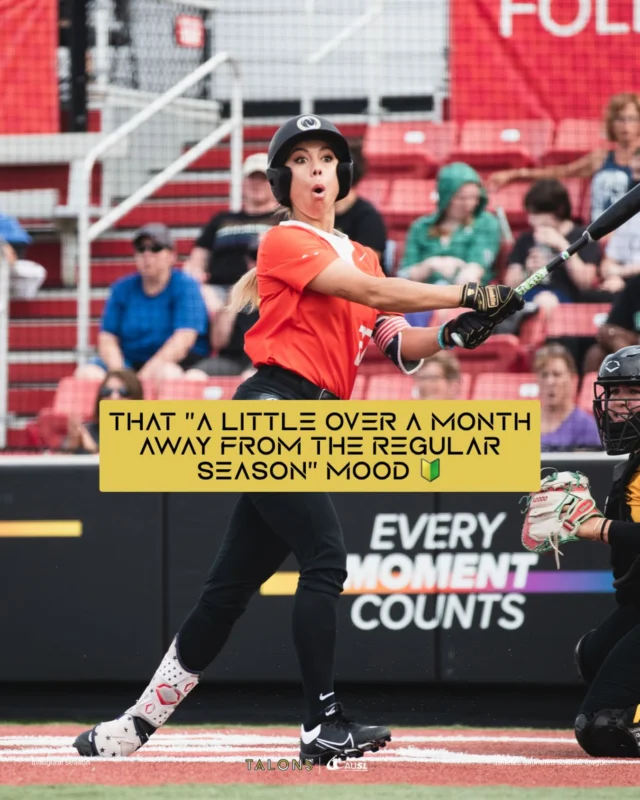
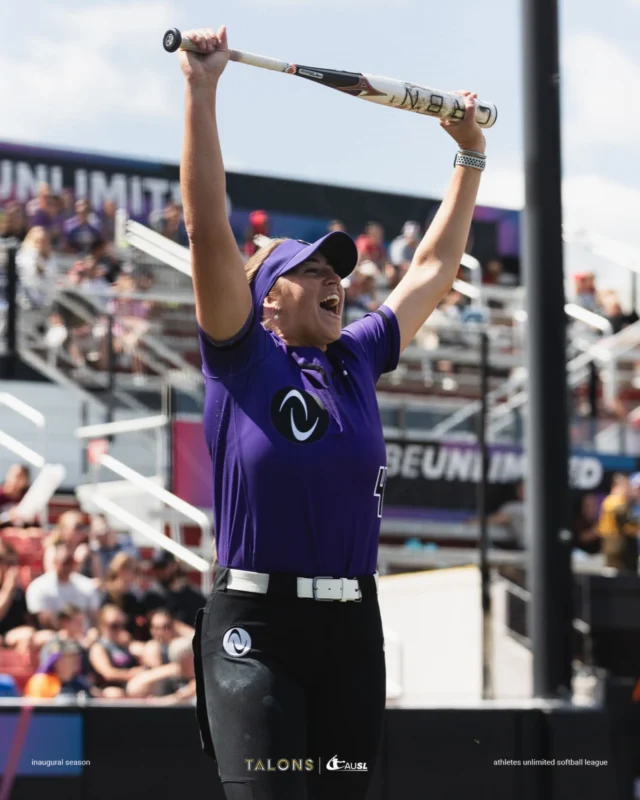
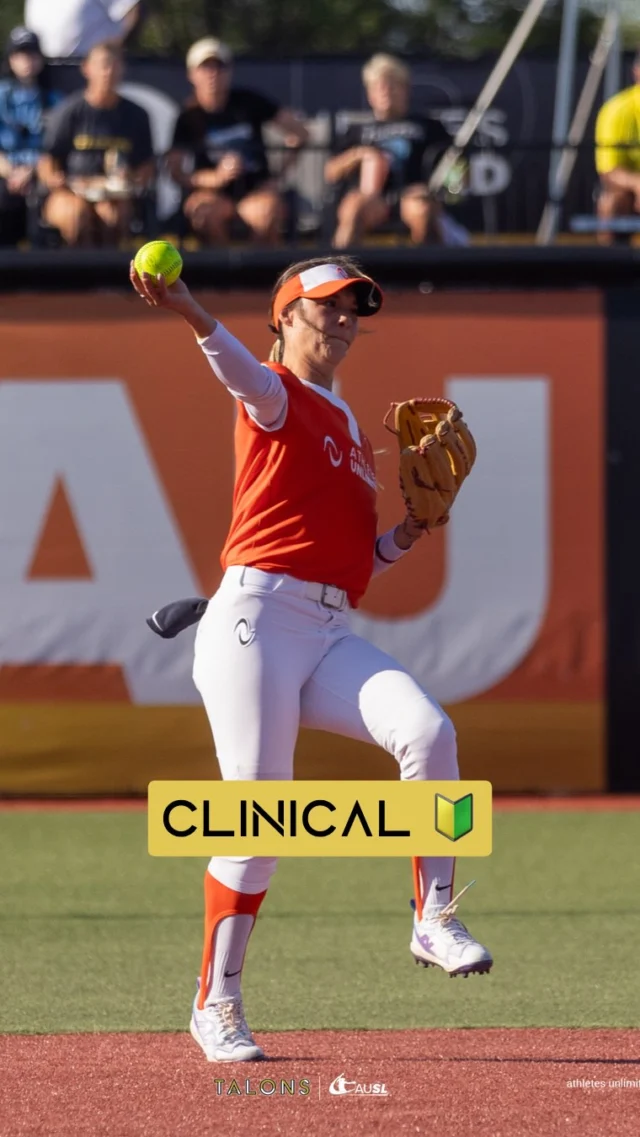
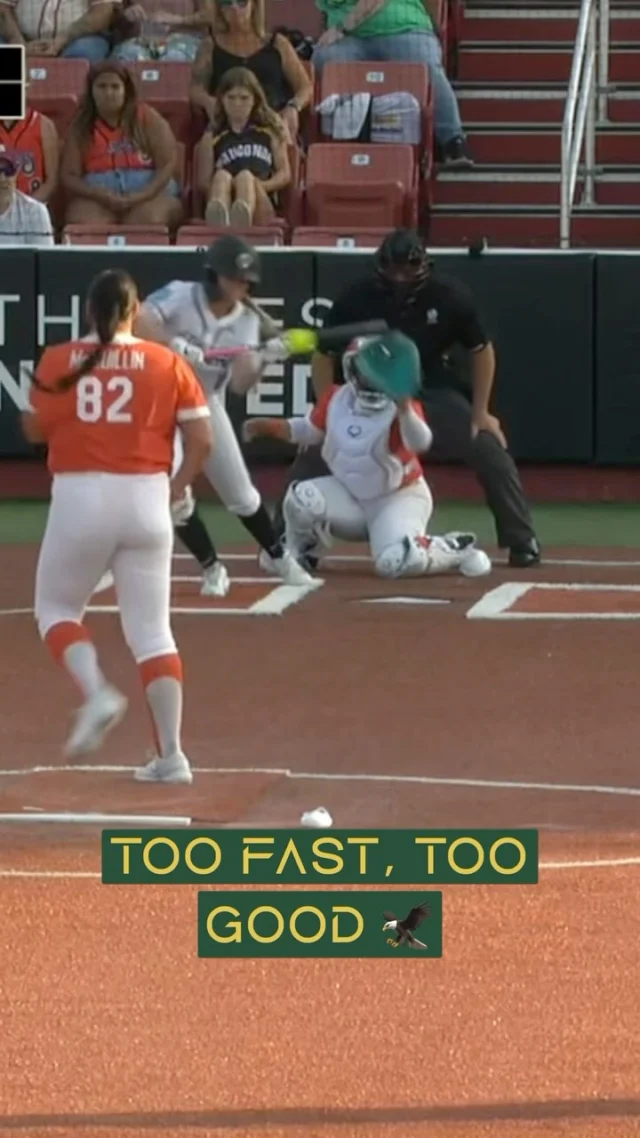
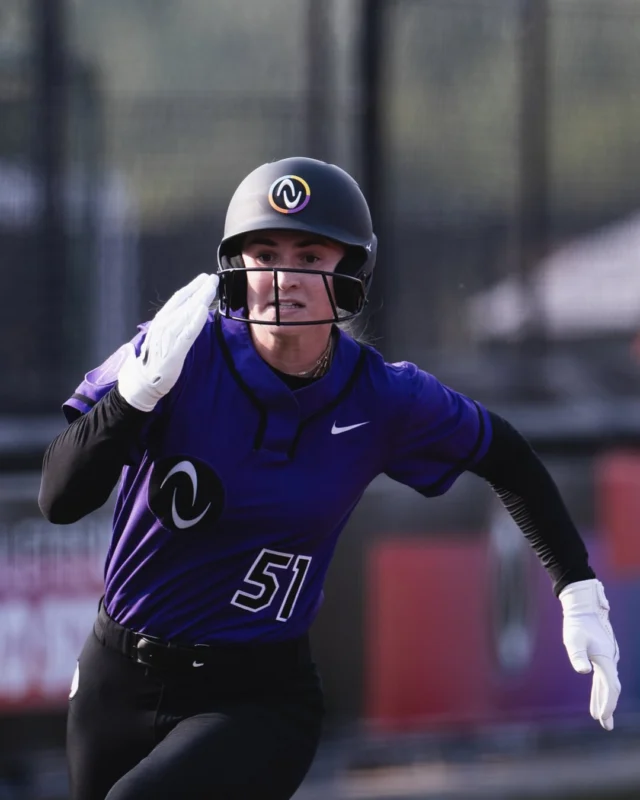
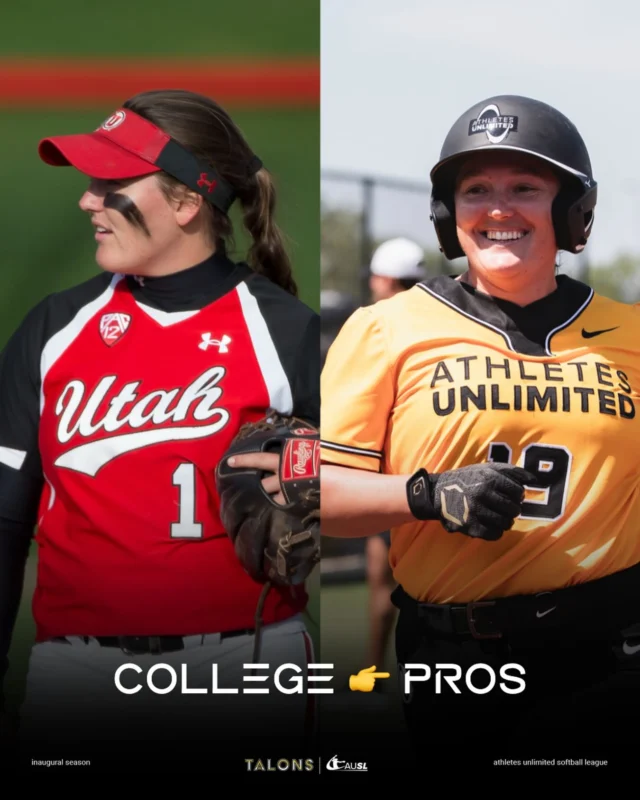
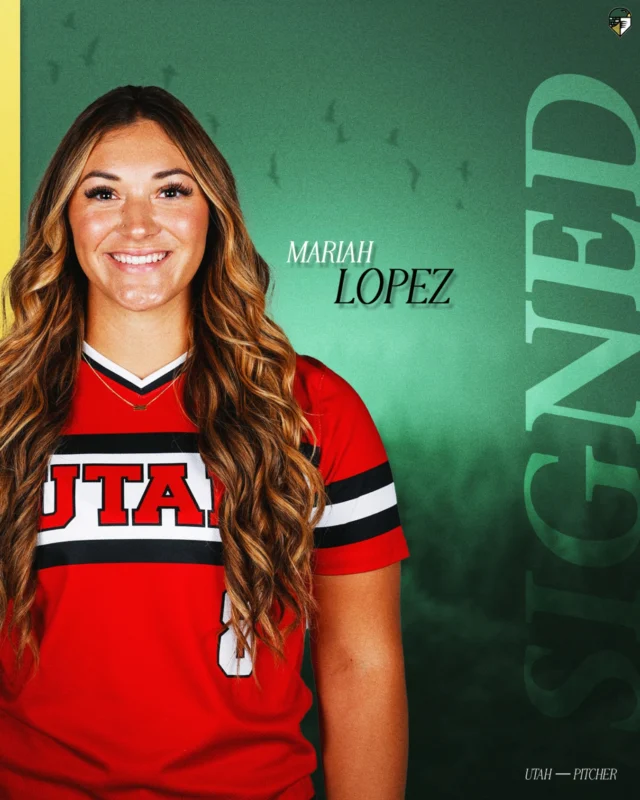
For two seasons, Sharlize Palacios has been the constant behind the plate for a Utah Talons pitching staff that has established itself as the best in the Athletes Unlimited Softball League.
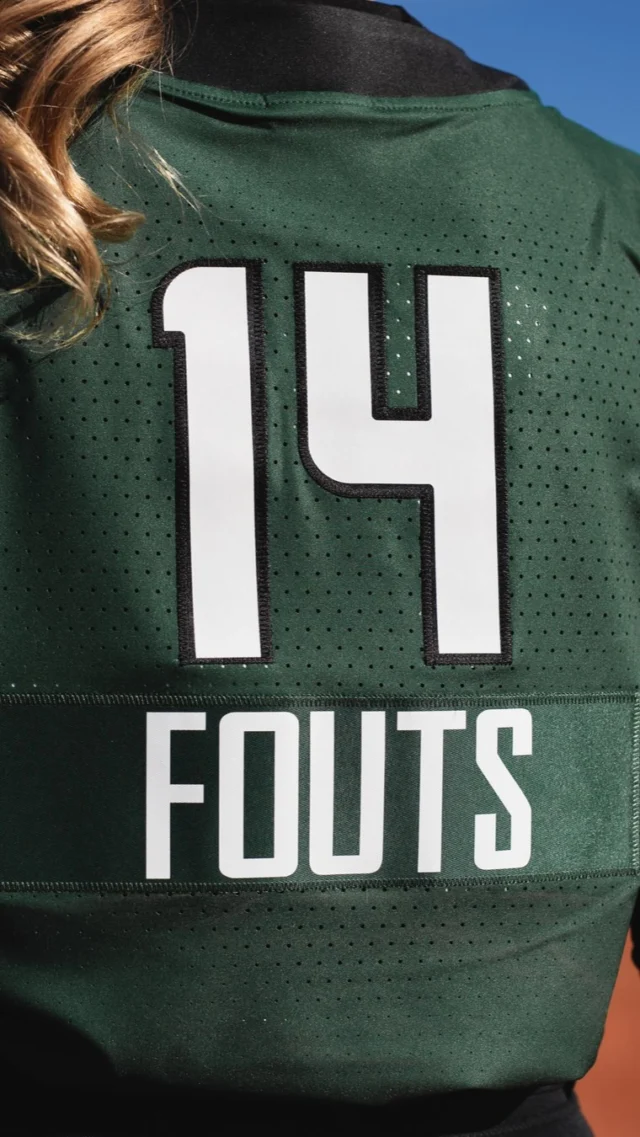
The Talons have won back-to-back AUSL Championships behind a staff that has also produced the league’s first two Pitcher of the Year winners: Georgina Corrick in 2025 and Montana Fouts in 2026.
But long before Palacios was guiding some of the best pitchers in professional softball, she was a 4-year-old following in her older sister’s footsteps.
Catching Is in the Blood
Catching, Palacios says, is a position that chose her.
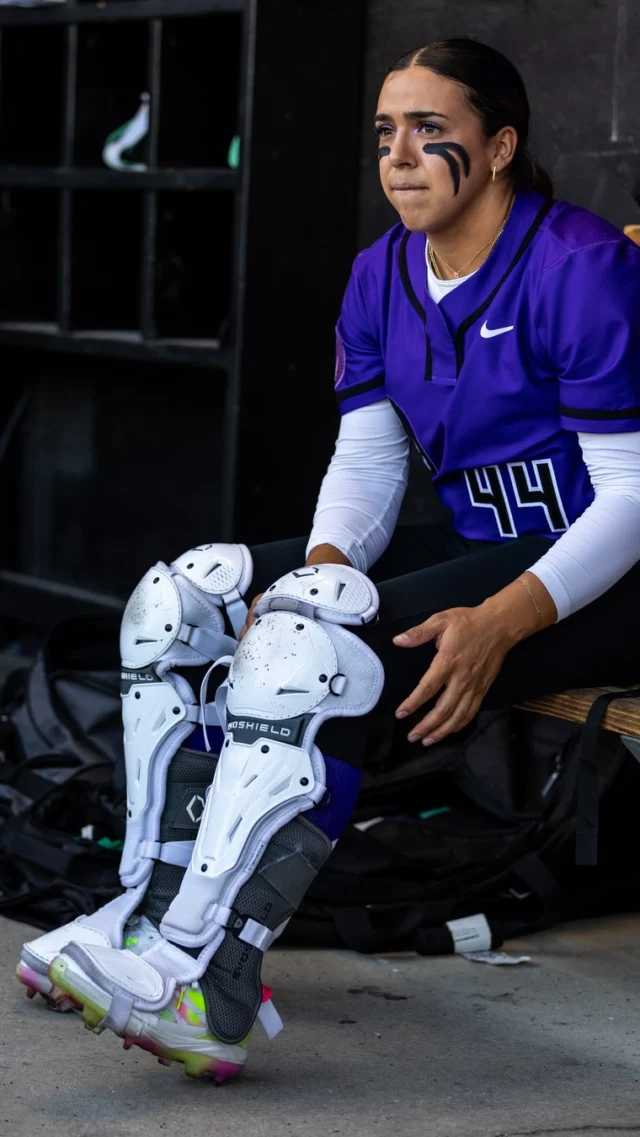
Her older sister, Sashel, was already playing the position when Sharlize found a set of gear she had outgrown. Their father, Francisco “Kiko” Palacios, had a wealth of knowledge to share from his own career after being selected in the 1992 MLB Draft by Cleveland and again in 1993 by Detroit.
One day, while watching her father work with Sashel on blocking drills, Sharlize decided to put the gear on herself.
“I say that I’ve never taken them off since then,” Sharlize said.
Sashel played professionally, represented Mexico at the 2020 Tokyo Olympics, and competed in Athletes Unlimited. For Sharlize, following her older sister eventually led to collegiate careers at Arizona and UCLA before she forged her own path into the professional ranks.
“My sister has always paved the way for me before I’ve ever done anything,” Sharlize said. “She walked so I could run.”
As she grew into the position, Sharlize learned catching required far more than putting on the gear.
“I didn’t really get to watch my dad play, but he was such a huge mentor to me about the mental spirit of the game…I feel like a catcher is the quarterback of the team, so it was always about trying to be vocal,” she said.
That responsibility eventually fit naturally with a personality Sharlize describes as outspoken and leadership-oriented. She also calls herself a servant leader, a characteristic that now shapes the way she navigates relationships with the pitchers in front of her.
Building the Battery
Building a successful battery is a process that Palacios takes seriously. It involves learning who a pitcher is as a person, and goes beyond simply learning go-to pitches in their arsenal.
When she works with a pitcher for the first time, Palacios considers herself the observer. She asks questions, learns which pitches the pitcher prefers in certain situations, and offers feedback without trying to make immediate changes.
“I’m very, very observant, and I kind of let her talk,” Palacios said. “It’s not so much that she needs to learn me. It’s me learning her.”
Palacios also makes a point to know her pitcher, not only their pitches. Sometimes that means grabbing coffee together and spending intentional time together away from the field.
Still, some of the most valuable information Palacios can learn can only come during game time.
Adversity reveals whether a pitcher needs reassurance, honesty, or a push, and Palacios has learned those needs are not always what a pitcher initially says they are.
“You kind of have to learn that in the fight,” she said.
Her own approach remains direct.
“I say what I see, and I don’t like to sugarcoat things, but I also know how to deliver it pretty well,” Palacios said. “I think that they know it comes from a place of me wanting them to be the best.”
Calling the Shots
Once the game begins, Palacios is responsible for another major piece of the equation.
With the Talons, she is normally the pitch caller–even if an injury confines her to the dugout.
Palacios spends approximately an hour to an hour and a half preparing before each game, studying hitters. Preparation gives her a foundation, while the game tells her whether to stick with it.
“There’s nothing like reacting to the game and having that feel,” Palacios said. “I would rather prepare and overprepare than feel underprepared. But definitely, it’s kind of like turning your brain off and going with your gut.”
Palacios loves the moments when that gut instinct takes over.
“It’s a cool little thing because you don’t even realize it’s happening, but it’s like it’s telling you to throw something, so you go for it.”
Palacios calls the shots based on what she sees from her pitcher and opposing hitters in real time, but her approach also changes with the pitcher in the circle.
Fouts brings what Palacios describes as a calm, dominant presence. Corrick is crafty. Megan Faraimo brings intensity.
Each requires something different from the catcher behind the plate.
“I kind of just try to match it as best as I can,” Palacios said.
Going to Battle
The Talons’ challenges evolved in Year Two.
After winning the inaugural AUSL Championship, the Talons pitching staff was less of an unknown. Their pitchers had a full season of film behind them, and opponents entered 2026 looking for ways to pick apart the staff that had carried Utah to a title.
“This year was much harder than last year,” Palacios said. “They all had a target on their back.”
For Palacios, that meant getting into what she described as the “foxhole” with them.
The strength of the Talons staff did not come from one arm alone.
Palacios’ favorite games were when the pitchers complemented one another, each providing a different challenge as Utah worked through opposing lineups.
“I feel like they get better when they support each other,” Palacios said. “It’s almost like these hitters can’t come up for air. I feel like that’s something that makes this pitching staff so hard. It’s like a three-headed monster.”
That chemistry has now produced two championships, and when Palacios strips away the scouting reports, signs and strategy, the formula for a successful battery becomes much simpler.
“Communication, trust, respect, and lastly, just having fun,” she said. “When you have fun with your battery mate, and you see it as a game, that’s kind of when the best performances come out.”
Measured by Their Success
There are many ways to quantify what a catcher contributes behind the plate, from framing to stolen strikes.
Palacios has a different measurement.
“I think that my success is only measured by their success,” she said. “If they’re doing their job, I know I’m doing my job.”
The philosophy traces back to her leadership approach.
The catcher may be the quarterback. She may study the lineup, call the pitches, control the pace and recognize when something needs to change.
But for Palacios, the result of that work is reflected in the person standing 43 feet in front of her.
21 years after putting on her sister’s old catching gear, Palacios has built some of her closest relationships inside the circle.
And when her career eventually ends, she believes those relationships will matter as much as any championship title.
She hopes the pitchers who shared a battery with her remember, above all, that she supported them and that she found joy in watching them succeed.
Siera Jones is the digital media reporter at Athletes Unlimited. You can follow her on Instagram and X @sieraajones.